


Digitalization and Support for SMEs
An Analysis Inspired by the “Smarter SMEs” Project and its “Tube Soties”
In the current economic scenario, digital transformation is no longer a luxury but a matter of survival for Small and Medium-sized Enterprises (SMEs). However, the transition often encounters deep structural obstacles: resistance to technological change, an excessive focus on short-term profits, and a lack of digital skills among leadership. It is precisely to bridge this gap that the European project S.M.A.R.T.E.R. SMEs (Strategic Mindsets and Redesigned Technological Environments Regenerate SMEs) emerged.
The Challenge of Digitalization in SMEs
Digitalization offers SMEs the opportunity to optimize processes, reach new markets, and adopt more sustainable practices. However, an analysis of the current landscape reveals that many
entrepreneurs feel lost, not knowing where to start or how to assess the real impact of tec
hnologies on their businesses. The lack of financial resources and the absence of a clear strategy are often the justifications presented for postponing modernization, leaving these companies increasingly exposed to competitive risks and stagnation.
The Importance of Training Support Technicians
For SMEs to adopt digitalization effectively, simply providing them with access to IT tools is not enough; it is crucial to ensure specialized and close support. Herein lies the vital importance of
training the technicians who support these companies, such as employees of business associations, innovation hubs, and consultants.
Historically, these professionals have built relationships of strong trust with entrepreneurs. However, with rapid technological evolution, many of these technicians saw their ability to add
value diminish because they did not master the new digital paradigms. The Smarter SMEs project recognizes this gap, proposing solutions such as the “MOOC for Digital Transformation Tutors” and “Training Kits”. By empowering these technicians—equipping them with knowledge about enabling technologies (such as Artificial Intelligence, IoT, and Cybersecurity) and diagnostic tools (Digital Advisor)—the necessary bridges of trust are created. A well-prepared technician can demystify innovation, outline practical roadmaps, and mitigate entrepreneurs’ fears, guiding them safely on their digital journey.
The Power of “Tube Stories” in Motivating Entrepreneurs
Changing mindsets is often the hardest step to achieve. It is in
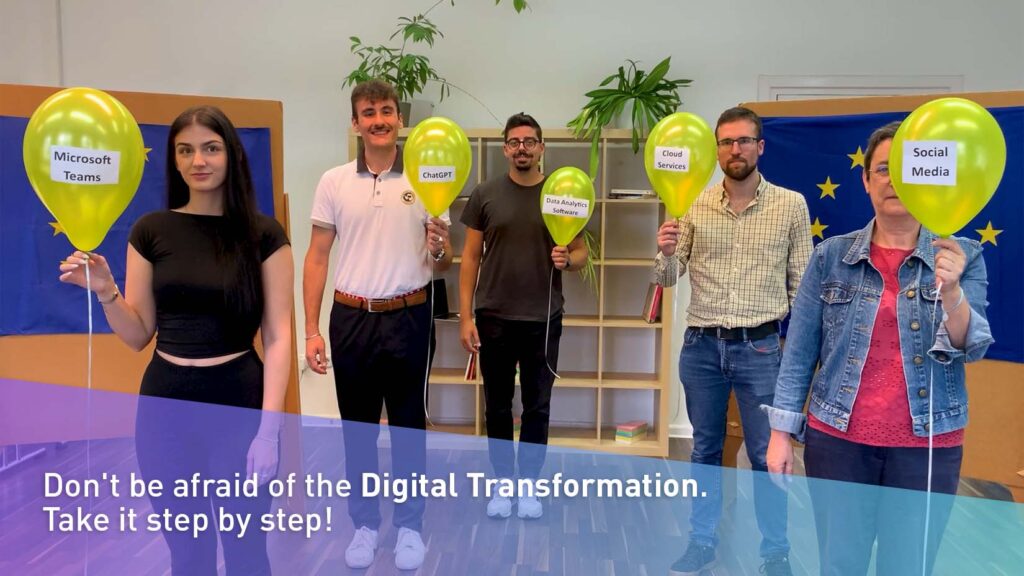
this context that the “SMEs Digital Transformation Tube Stories” initiative proves to be an innovative communication and motivation tool. Instead of relying on dense manuals, exhaustive reports, or complex technical jargon, the project relies on “stories told in the format of a television series”.
“The use of visual and episodic storytelling brings the complexity of digitalization closer to the daily reality of entrepreneurs, transforming abstract concepts into practical and relatable
examples.”
Through these stories, entrepreneurs can see themselves represented on the screens. They observe the same challenges they face daily being overcome and witness the tangible benefits of
technological adoption. This narrative and visual approach captures attention, sparks curiosity, and, fundamentally, breaks down psychological barriers of resistance to change. The Tube Stories act as a powerful motivational trigger: they demonstrate in a clear and accessible way that digital transformation is not an impossible monster, but an achievable and indispensable process for the regeneration and sustainable growth of SMEs.
Conclusion
The success of the digital transition in SMEs depends on a dual approach. On the one hand, it requires awakening the strategic awareness of entrepreneurs—something that narrative
approaches like the Tube Stories can achieve highly effectively. On the other hand, it requires the presence of a network of highly trained support technicians capable of guiding companies from
initial enthusiasm to practical implementation. The synergy between inspirational motivation and specialized technical guidance is the key to transforming stagnant businesses into intelligent, agile,and future-ready organizations.