


Micro-credentials in Higher Education
The New Frontier of Lifelong Learning and Academic Modularity
The rapid transformation of the labor market, driven by digital and green transitions, has placed unprecedented pressure on traditional educational systems. In this context,
micro-credentials (often referred to in academic circles as training micro-credits) have emerged as one of the most relevant pedagogical and political innovations of the
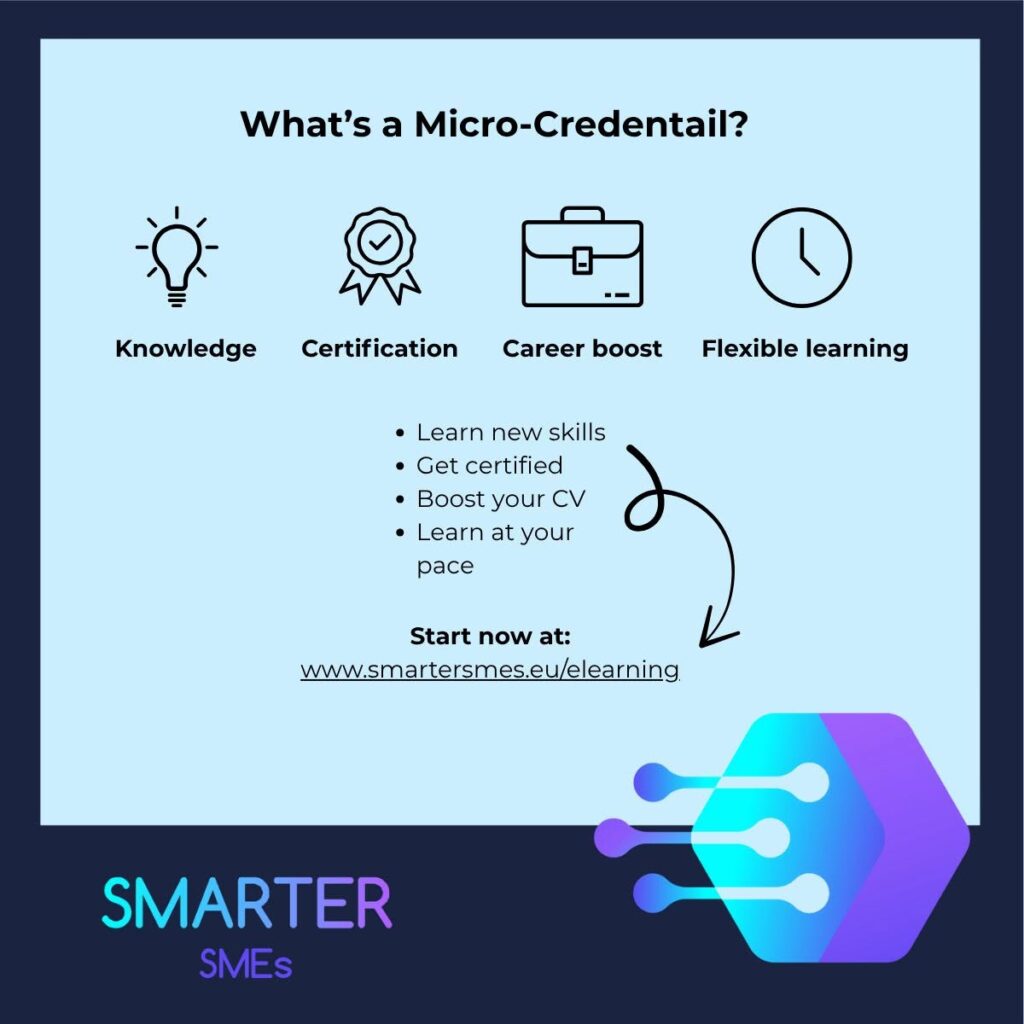
last decade. According to the Council of the European Union (2022), a micro-credential is the official record of learning outcomes acquired following a small volume of
learning, breaking with the rigidity of long study cycles.
The Paradigm of Modularity and “Stackability”
Scientific literature points to modularity as the pillar of micro-credentials (Oliver, 2019). By deconstructing traditional diplomas into smaller learning blocks focused on
specific skills, higher education institutions allow learners to build “à la carte” pathways. The concept of stackability is central to this debate: it is the theoretical and
practical possibility for a student to accumulate several independent microcredentials over time, eventually culminating in a higher academic degree, such as a
postgraduate degree or master’s.
Quality Assurance and Interoperability
Despite their enormous potential for agility, the massification of micro-credentials faces significant challenges in terms of quality assurance. Brown et al. (2021) stress
that for these certifications to have real value in the market, their standardization is imperative. In the European Higher Education Area, this translates into allocating
ECTS (European Credit Transfer and Accumulation System) credits to these short training courses. Integrating them into national qualifications frameworks ensures
mutual trust between higher education institutions and employers, reducing the historical gap between academia and industry.
Digital Certification and Emerging Technologies
Alongside pedagogical innovation, micro-credentials drive a technological revolution in certification methods. The use of Open Badges and Blockchain technology ensures
that the credentials issued are secure, portable, and easily verifiable by employers (Gálvez-Cruz et al., 2020). These digital metadata contain detailed information about
the issuer’s identity, rigorous evaluation criteria, and the skills acquired, eliminating the risk of fraud and largely facilitating the international mobility of workers.
Conclusion
Micro-credentials do not aim to replace traditional higher education, but rather to complement it in an integrated way, creating a more inclusive, flexible, and resilient
educational ecosystem. They represent a structured and agile response to the immediate needs of upskilling and reskilling, democratizing continuous access to
knowledge and operationalizing the true concept of lifelong learning for all generations of professionals.
References
1. Brown, M., et al. (2021). Micro-credentials and the New Normal: A White Paper. European Consortium of Innovative Universities (ECIU).
2. Council of the European Union. (2022). Council Recommendation on a European approach to microcredentials for lifelong learning and employability (2022/C 243/02).
3. Gálvez-Cruz, D., et al. (2020). Blockchain and Open Badges for Micro-credentials in Higher Education. IEEE Access.
4. Oliver, B. (2019). Making micro-credentials work for learners, employers and providers. Deakin University.